Custom food trailers, built to order
Pick a size from 8×12 to 8×20. Everything inside it — layout, kitchen equipment, service windows, finish and branding — is specified around your menu and the requirements where you plan to operate.
Five sizes, 8×12 to 8×20
The footprint is the only part that comes off a list. Each size page has its floor area, crew guidance, hood capacity and a typical layout.
- 8×12 food trailerThe entry point. Tight, mobile, fast to park.≈ 96 sq ft · 1 – 2 operators8×12
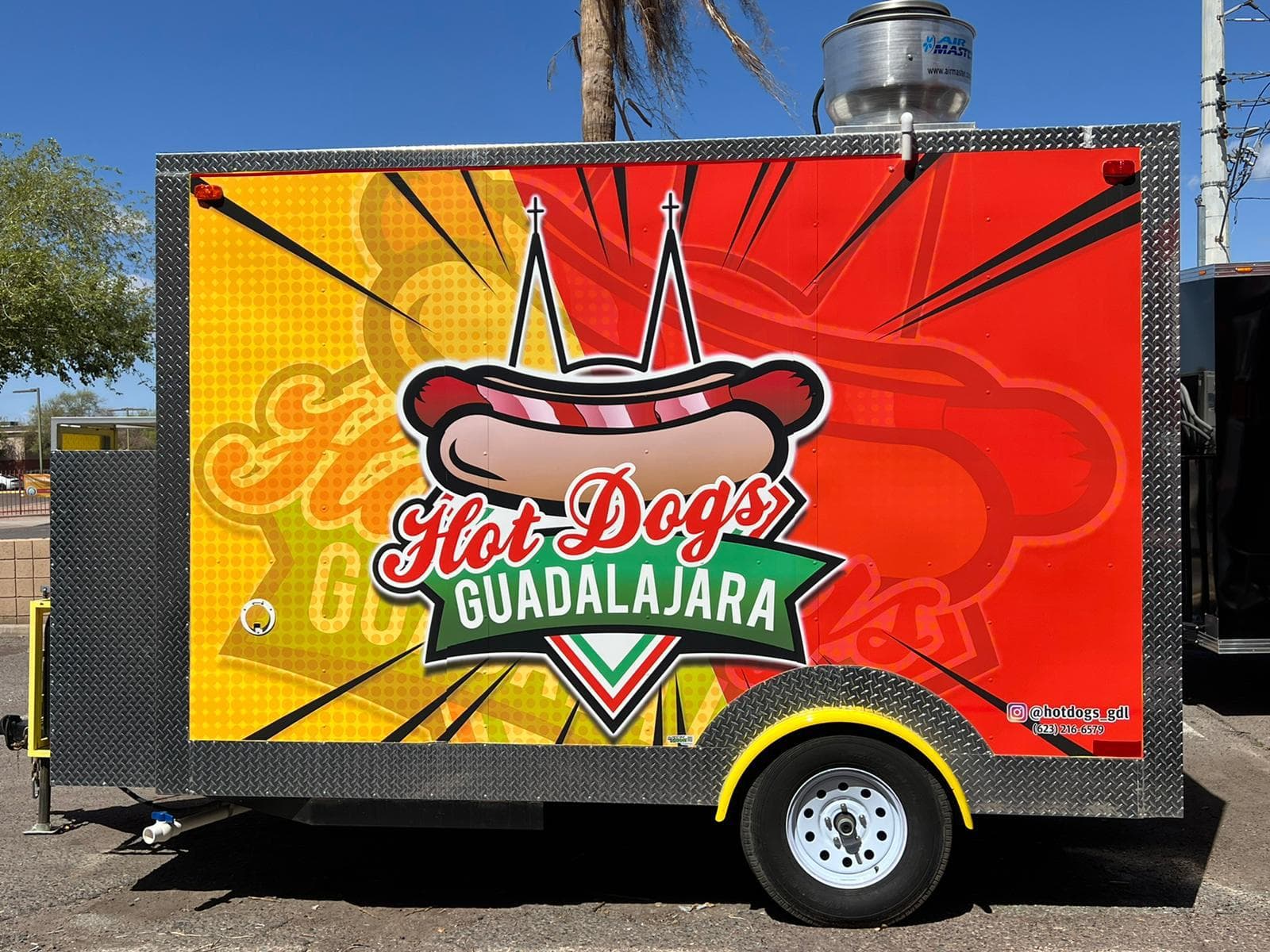
- 8×14 food trailerTwo more feet. A meaningfully different kitchen.≈ 112 sq ft · 2 operators8×14
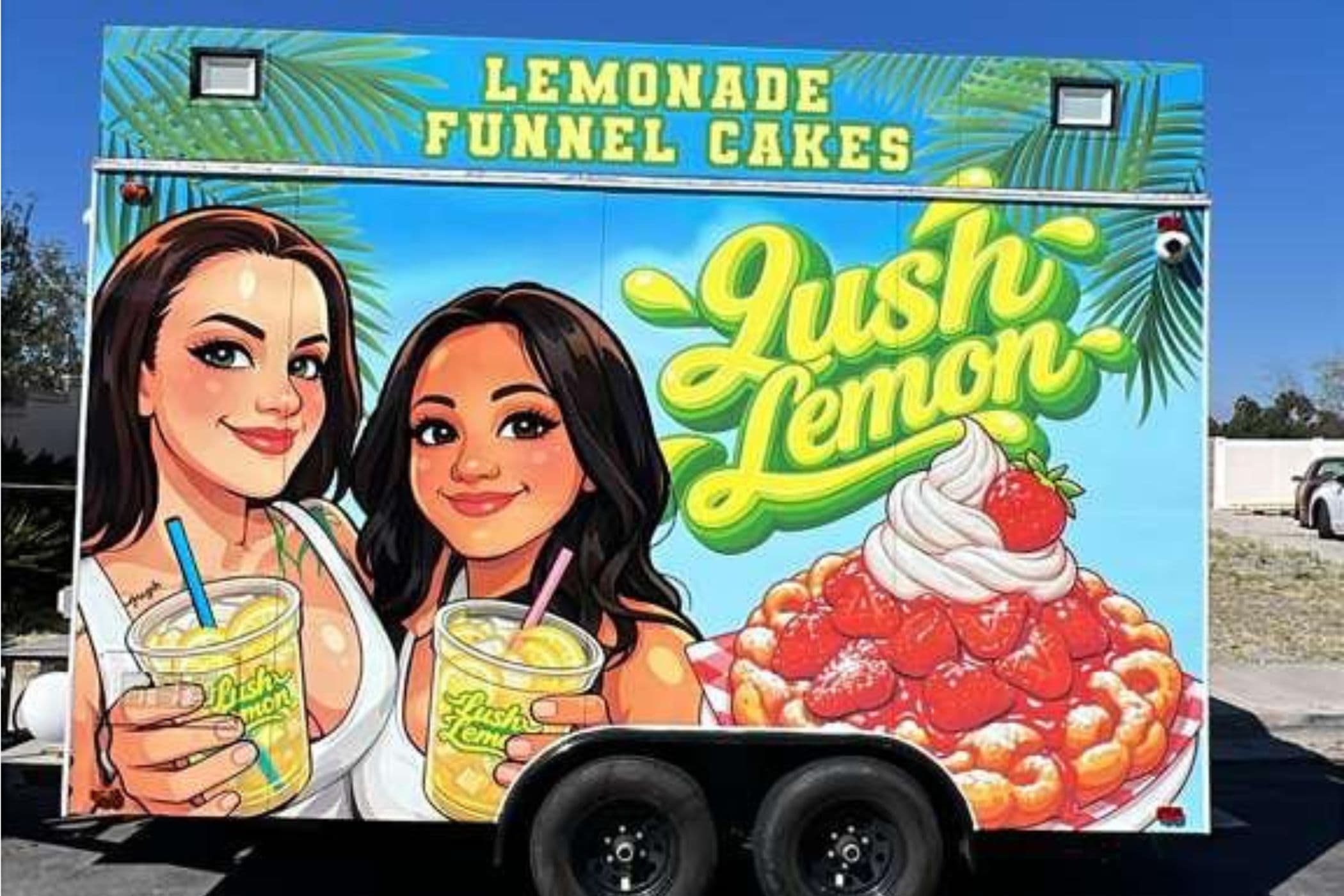
- 8×16 food trailerThe workhorse. Most concepts fit here.≈ 128 sq ft · 2 – 3 operators8×16
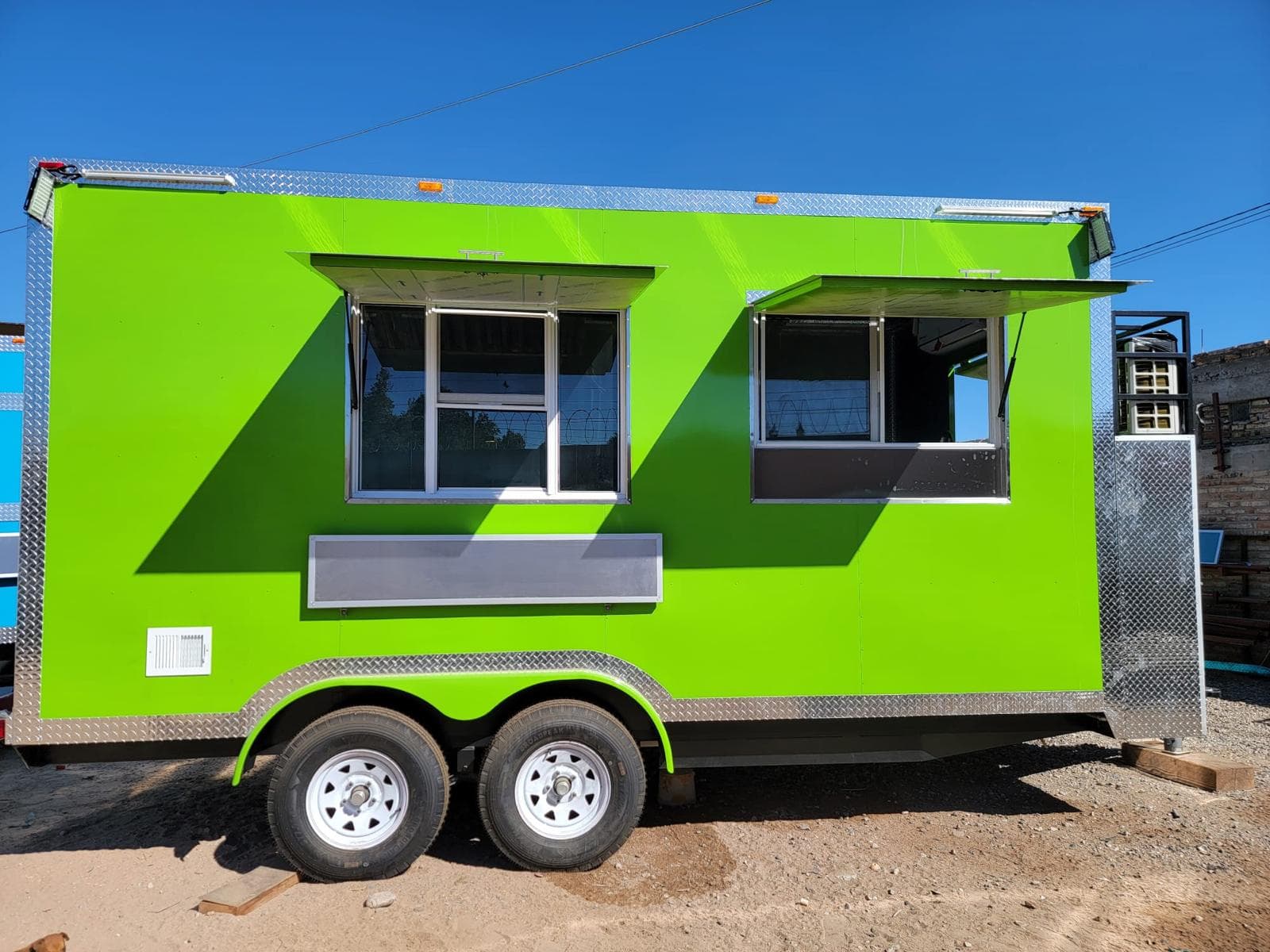
- 8×18 food trailerVolume-ready. Built for lines that do not stop.≈ 144 sq ft · 3 – 4 operators8×18
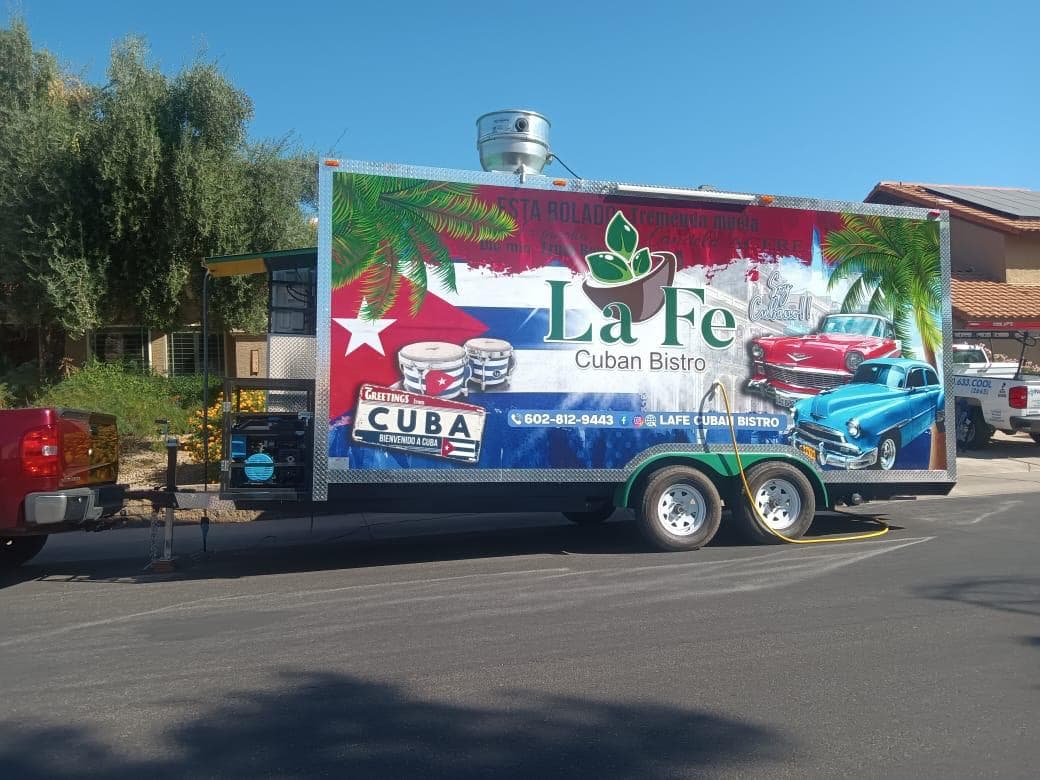
- 8×20 food trailerMaximum kitchen. Full commercial capability, mobile.≈ 160 sq ft · 3 – 5 operators8×20
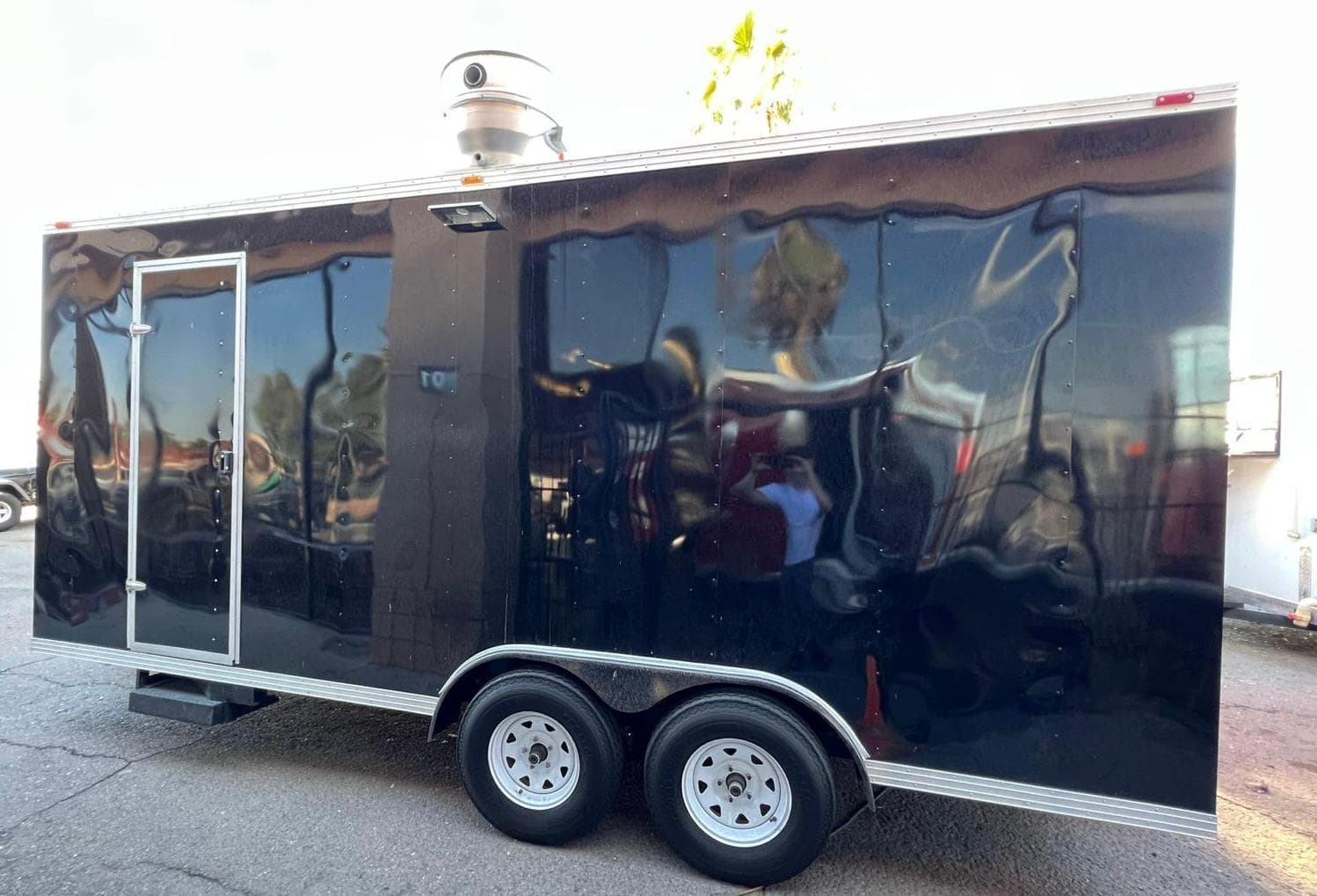
What you customize
These are the same choices the online builder walks you through. Anything required for the area where you operate — hood, fire suppression, sinks, water tanks, gas and electrical — is specified by us, not left as an optional box.
Cooking
The cook line. Choose what your menu actually needs — we will tell you if the layout cannot carry it.
Refrigeration
Cold storage and cold prep. Undercounter and chef-base units buy back floor space in shorter builds.
Prep
Work surfaces and prep stations. Easy to under-order and regret.
Water & Sinks
Sinks, tanks and hot water. Capacities are specified by us against the requirements where you operate.
Ventilation & Safety
Hood, exhaust and suppression — sized to your cook line and specified by us.
Power & Gas
Electrical, gas and the compartments that carry them.
Storage
Shelving and dry storage. Where the day's inventory actually lives.
Service
Windows, doors and the customer-facing edge of the build.
Outside the trailer
Service windows
- Single service windowStandard configuration. Suits most single-line concepts.
- Oversized service windowWider opening for higher-visibility service and display.
- Dual service windowsSeparate order and pickup points. Reduces congestion at volume.
- Window + concession doorAdds a walk-up or staff access point on the service side.
Wrap
- No wrapPainted finish only. Add a wrap later without changing the build.
- Partial wrapLogo, menu panel and key graphics. The most common starting point for new operators.
- Full custom wrapEdge-to-edge designed graphics. Your trailer becomes the largest piece of advertising you own.
Branding
- I already have a logoSend us your files and we will apply them to the build.
- I need a logoWe can develop a logo designed to read from across a parking lot.
- I need complete brandingName, logo, color direction, menu design and wrap — built as one identity.
From first call to delivery
Nine phases, and you see the plan before anything is cut.
- 01
Discovery
We start with your business, not the trailer. Your menu, your volume expectations, where you plan to operate and how you plan to staff it. Those answers determine everything that follows.
- 02
Design & Blueprint
We produce the layout and specification for your build — equipment placement, workflow, utilities and dimensions. You see the plan before anything is cut.
- 03
Requirements Review
We review the build against the requirements applicable to the city, county and state where you told us you intend to operate, and adjust the specification accordingly.
- 04
Quote & Agreement
A written quote reflecting the approved configuration. If you are financing, this is the document your provider needs.
- 05
Fabrication
Chassis, frame, skin and structure. This is where the build becomes physical — welded, insulated and sealed to specification.
- 06
Systems & Equipment
Electrical, gas, plumbing, ventilation, fire suppression and the commercial kitchen itself — installed and tested as an integrated system.
- 07
Finish & Branding
Exterior color, wrap, signage and lighting. The trailer stops being equipment and starts being your business.
- 08
Final Inspection
Full systems check against the specification and the requirements for your operating jurisdiction before the build leaves our shop.
- 09
Delivery
You take possession of a trailer built for the business you described — and you go open it.
Food trailer or food truck?
How it moves
A food trailer has no engine. It is towed by a separate vehicle and can be unhitched and left on site, so the tow vehicle stays free for supply runs. A food truck carries its kitchen on its own engine and drivetrain.
What can break down
On a trailer, the kitchen and the vehicle are separate machines. If the tow vehicle needs service, the kitchen does not go to the shop with it.
What we build
Every model in our lineup is a towable trailer, 8×12 to 8×20 feet. If you are not sure a trailer fits your operation, call us and we will talk it through.
Custom food trailer FAQ
What sizes do you build?
Five sizes: 8×12, 8×14, 8×16, 8×18, 8×20. Interior floor runs from about 96 to 160 square feet. Each size page lists crew guidance, hood capacity and the concepts it is commonly built for.
Can I choose my own kitchen equipment?
Yes. You choose the cooking, refrigeration, prep, storage and service equipment your menu needs, and we tell you if a layout cannot carry it. Ventilation, fire suppression, sinks, water and the gas and electrical systems are specified by us for the area where you operate.
How much does a custom food trailer cost?
It depends on the size, the equipment and the finish. Each size has a starting price on its model page, and the online builder gives a preliminary range for your configuration. This is a preliminary estimate based on the configuration you selected. It is not a quote, offer or contract. Your final quote is prepared by our team.
How long does a build take?
Build times vary by configuration, approvals, equipment availability and project requirements. We talk timing through with you when we prepare your quote.
Will my trailer pass the health department?
Your build will be reviewed against the requirements for the area where you plan to operate. Express American Trailers builds each trailer to meet the requirements applicable to the jurisdiction where you tell us you intend to operate. Permits, licenses, health department approvals and business registrations remain the operator's responsibility.
Do you offer financing?
Financing available for qualified buyers. Approval, down payment, rates and terms vary by applicant and are determined by the financing provider. Express American Trailers does not approve financing or set terms. Many customers also purchase outright.
Can you wrap and brand the trailer?
Yes — from a painted finish with no wrap, to a partial wrap with your logo and menu panel, to a full edge-to-edge wrap. If you do not have a logo yet, we can design one.
Where are you located, and where do you build for?
Built in California. Expanding nationwide. We currently build for operators across California, with nationwide expansion underway.
Start with your menu
Configure your trailer online and get a preliminary range, or call and talk it through with our team.