From earning $17.50 an hourto owning a businessthat did $250,000in its first year.
Approximate gross business sales for the first year; not profit or personal income. One operator's story, not a guarantee of results.
The work dried up a little at a time. With the bills still arriving and his savings running down, he put the last of what he had into a business he had never pictured himself running.
Today he has something he did not have before: a business of his own, enough to cover his family's expenses — and then some.
This is the story of how he did it.
For years, his life was fairly predictable.
He painted houses and worked on remodels. He would finish one project and another would usually turn up. He was not getting rich. But there was work.
And as long as there was work, he could cover the rent, buy groceries, and keep his family going. It was not a comfortable living, but it was a living — and it arrived on a rhythm he could count on.
Until there wasn’t.
Projects got harder to find. The small jobs he could still pick up did not cover a month. Nothing dramatic happened on any single day — the calls simply came less often, and then they mostly stopped.
The bills did not slow down with them.
Rent arrives on the same date whether or not anyone has a project for you. So does the car payment. So does everything else.
What happened to him is not unique to someone who paints houses. It can happen to the person doing yards. To the framer. To the remodeler. To the roofer. To the concrete crew. To anyone whose next paycheck depends on somebody else having a project to hand them tomorrow.
The problem was never working for someone else. The problem was not controlling where the next job would come from.
The problem was not that he had stopped working altogether. He was still picking up the odd project. The problem was that it no longer covered the month.
Approximate reconstruction. An illustrative example of how ordinary expenses drew down his savings. These are not bank records or exact accounting.
| Rent | $2,500 |
|---|---|
| Electricity | $180 |
| Gas | $70 |
| Water / trash | $120 |
| Internet | $80 |
| Phones | $180 |
| Groceries | $700 |
| Fuel | $350 |
| Car insurance & upkeep | $250 |
| Other basics | $250 |
| Total monthly expenses | $4,680 |
He was not spending the money on luxuries. It was the rent. Groceries. The power bill. The car. The phones. The ordinary cost of a family.
And every month less work came in, the difference came out of savings.
Until about $15,000 was left.
That was when he understood that continuing to wait was also a decision. If he did exactly the same thing, that money would eventually run out too.
What can I build with what I still have?
That was when he thought of Álvaro.
An old friend he had not seen in years. He knew Álvaro sold food, and that over time he had built up a couple of other businesses. He did not know exactly what he was doing now.
But he knew one thing: Álvaro had always known how to make a living.
So he called him. Not for advice. Not to ask about a business opportunity. He called about something much simpler: work.
He told him what was happening. That the projects had dried up. That he was still looking on his own. That the little he was finding no longer covered the month. And he asked whether Álvaro had anything he could help with.
I'm going to do something a lot better than offer you work.
I'm going to show you how to make your own money, without depending on somebody else having a job to hand you.
Álvaro could simply have offered him a few days of work. He offered him something completely different.
That got his attention. Because for years he had done exactly the opposite: he worked when somebody else had work for him. Álvaro was proposing that he build something where the customers came to him.
Álvaro started with a very simple question: what do people buy every single day, whether work is plentiful or scarce.
Food.
Food had something his old work did not: demand every day. People eat before their shift, at lunch, on the way home, at events, on weekends, at parties.
But Álvaro was not suggesting he open a restaurant either.
- A commercial lease
- A deposit
- Building out the space
- Furniture and fixtures
- Utilities
- One fixed location
- Contracts
- Fixed overhead from day one
Álvaro showed him another possibility: a commercial kitchen that could move.
A food trailer.
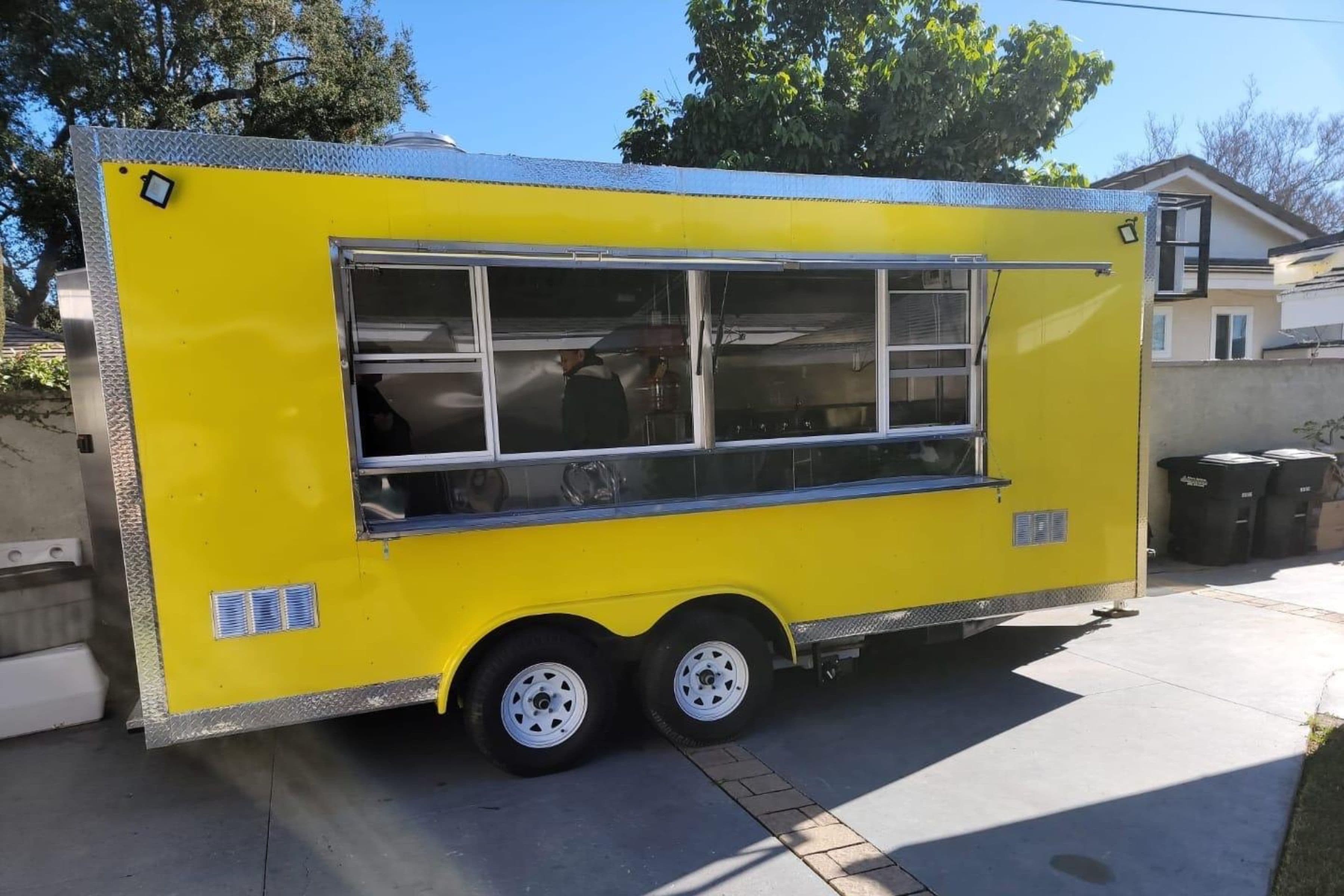
He did not need to rent a restaurant.
He could start without signing a traditional commercial lease or committing to a build-out on day one.
He could go where the people were.
Job sites, industrial areas, events, private parties, business districts, catering — always subject to local permits and rules.
If a location did not work, he was not married to it.
A fixed storefront cannot move. A mobile business can, within whatever the local rules allow.
Food already had demand.
He did not have to invent a new habit. People already buy breakfast, lunch, dinner, snacks and drinks.
The equipment was his.
A build-out stays inside somebody else's building. Much of a mobile operation's equipment belongs to the business.
He could start simple.
A short menu, an operation he could handle, a concept built around what he could actually execute.
And above all: the customers could be his.
He would no longer be waiting for somebody else to have a painting or remodeling project for him. He could build his own customer base.
He decided to put roughly what he had left — about $15,000 — in as starting capital, instead of watching it disappear one month of bills at a time. Depending on the build, a business like this can require financing or additional capital.
Leave your number. We call you.
The work did not get easier. It got different. He was still up early and still finishing late, but the day was no longer built around whether the phone rang.
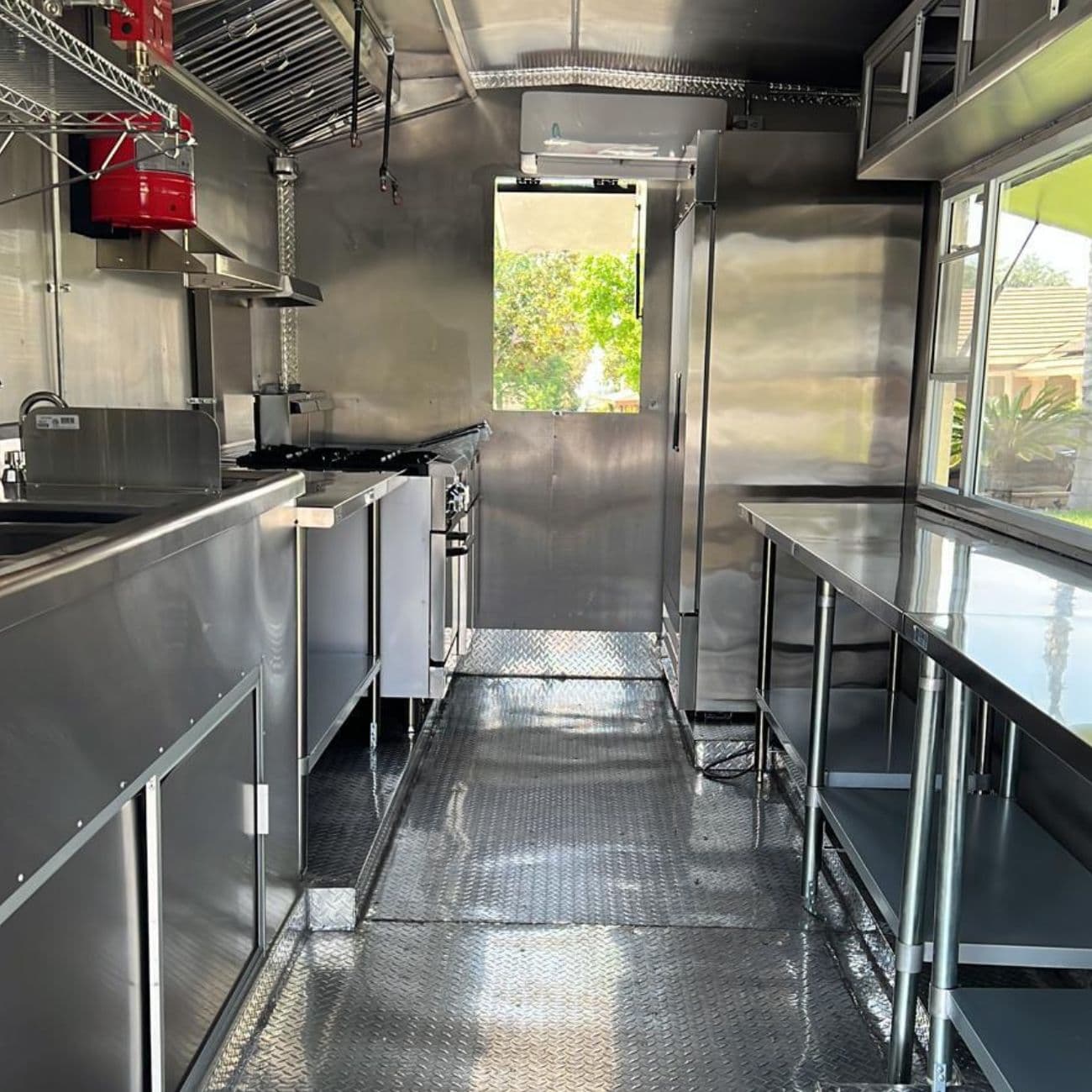
Months later something fundamental had changed. He was not waiting for someone to call and tell him whether he had work. He had customers. He had something of his own.
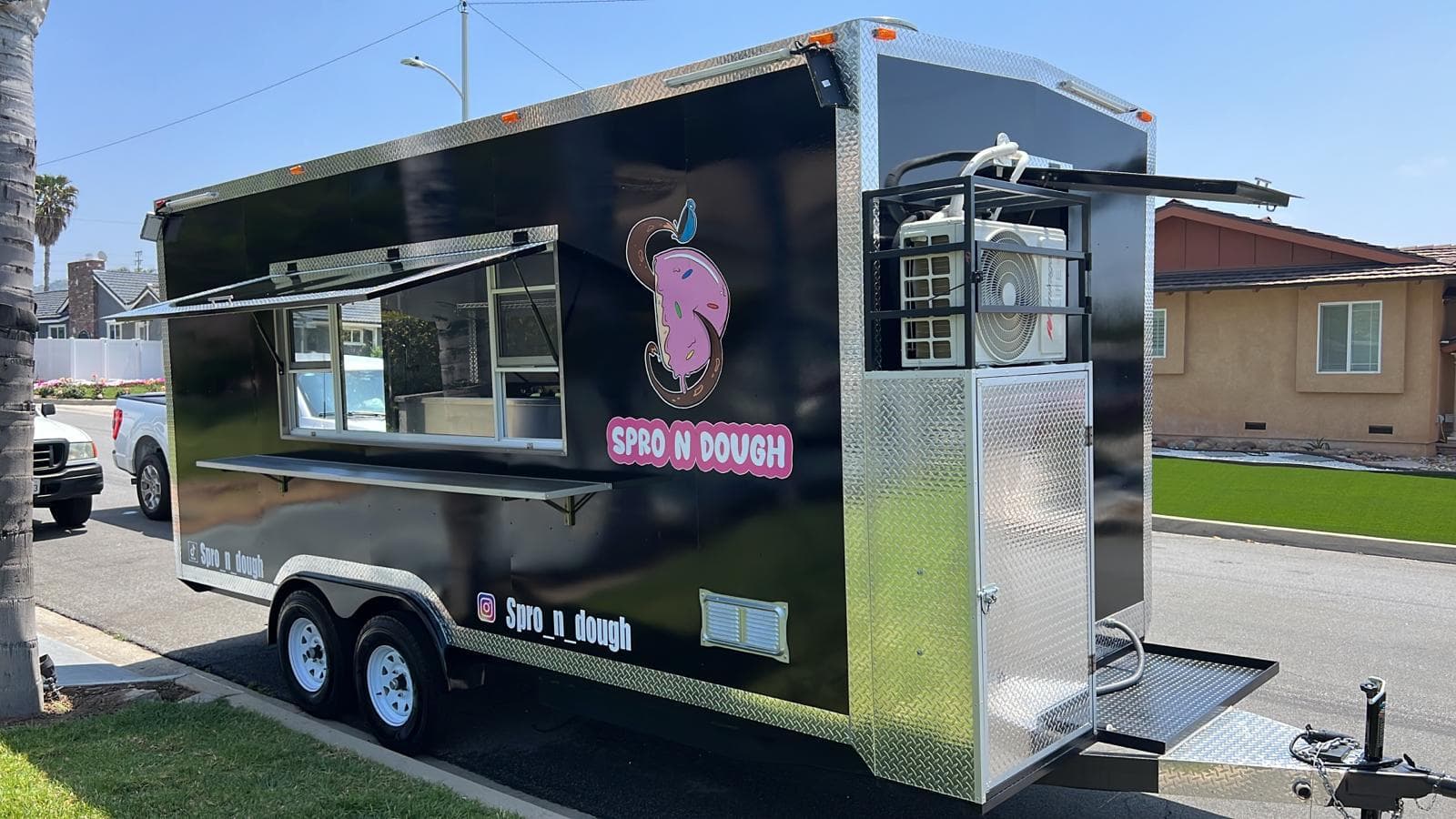
And he had control.
Leave your number. We call you.
This is what the business he built reported for its first year — and what everything above it was leading to.
$250,000
in first-year gross business sales
- Gross sales. Not profit.
- One operator's story.
- Not typical results.
- Not a guarantee.
We answer these on the phone.
When we reconstructed the path he took, almost every decision could be put in order.
- What to sell
- How the numbers work
- Where to operate
- What permits to research
- What equipment is needed
- How to open
- How to get the first customers
That is the conversation Álvaro has with people who are starting — in that order.
Free. No purchase required.
- Gross sales are not profit. This is one operator's reported story — not a promise, not typical results, and not a guarantee of any outcome.
- Both figures are approximate amounts reported by the operator for his own business. They describe one year of one business and are not a projection for anyone else.
- Gross business sales are what the business took in before any costs. Food cost, labor, fuel, permits, commissary fees, insurance, maintenance, payment processing, marketing, financing payments and taxes are not deducted.
- Express American Trailers makes no representation, promise or guarantee regarding income, revenue, profit or business results. Business outcomes depend on factors outside our control.
- $15,000 is this operator's approximate starting-capital decision. It is not a price, not a financing qualification threshold, and not an amount that launches every business. It does not guarantee financing approval.
- This is a real business. It runs when the owner runs it.
- Financing available for qualified buyers. Approval, down payment, rates and terms vary by applicant and are determined by the financing provider. Express American Trailers does not approve financing or set terms.
- Express American Trailers builds each trailer to meet the requirements applicable to the jurisdiction where you tell us you intend to operate. Permits, licenses, health department approvals and business registrations remain the operator's responsibility.